
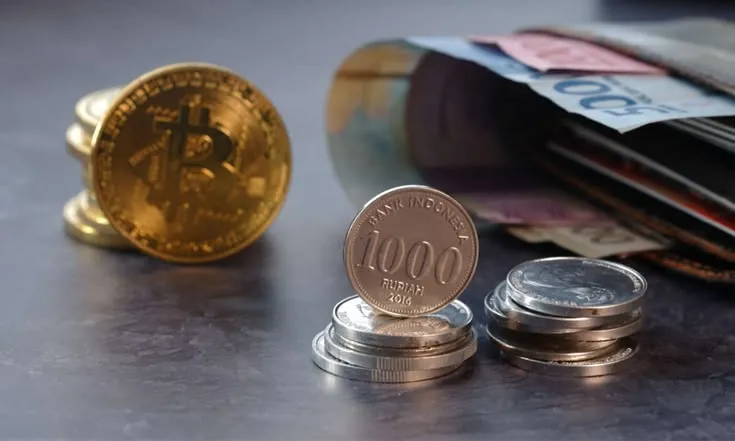
Bitcoin is often discussed as an investment people can purchase and hold for several years. However, long-term ownership involves more than waiting for prices to increase. Transaction charges, currency conversion costs, storage decisions, and changing financial circumstances can all influence an investor’s final returns. Individuals researching Bitcoin Investment Indonesia should examine these less obvious expenses before developing a long-term strategy. Understanding how costs accumulate can help investors make more realistic financial decisions and avoid discovering unexpected charges when they eventually decide to sell their holdings.
The Purchase Price Is Only the Beginning
Imagine an Indonesian investor purchasing Bitcoin with the intention of holding it for five years. The initial transaction might appear straightforward, with the exchange displaying the amount purchased and the corresponding market price. However, the buyer may pay a trading commission or encounter a difference between the quoted buying and selling prices.
These expenses reduce the amount effectively invested from the beginning. Investors should distinguish between the market value of Bitcoin and the total amount spent acquiring it. Recording both figures provides a more accurate starting point for evaluating future performance.
Currency Conversion Can Change Investment Costs
Indonesian investors commonly measure their finances in rupiah, while international cryptocurrency markets frequently quote Bitcoin prices in US dollars. This creates an additional consideration because changes in the rupiah-dollar exchange rate can affect the local currency value of an investment. When using a Fiat To Crypto Indonesia service, buyers should examine how currency conversion is calculated and whether additional charges apply.
Even when Bitcoin’s dollar price remains relatively stable, its value expressed in rupiah may change because of currency movements. Understanding this relationship helps investors distinguish cryptocurrency performance from the effects of foreign exchange fluctuations.
Holding Bitcoin Can Involve Storage Expenses
Long-term cryptocurrency ownership requires a decision about where assets will remain. Some investors use custodial exchange accounts, while others transfer Bitcoin into personal wallets. Each arrangement presents different costs and responsibilities.
Exchange custody may involve withdrawal restrictions or platform-related risks. Personal wallets offer an alternative approach but require users to manage access credentials and recovery information. Certain hardware wallets involve an upfront purchase cost.
Moving Bitcoin between addresses can also require blockchain network fees, which vary according to network conditions. Investors should consider these potential expenses before deciding how frequently they intend to transfer their holdings.
The Real Cost of Frequent Portfolio Changes
A person may begin with a long-term investment plan but gradually start reacting to market headlines. Selling during a price decline and purchasing again after a recovery can introduce additional trading fees and unfavorable execution prices.
Repeated transactions may also complicate recordkeeping.
Before adjusting a Bitcoin position, investors should consider:
-
Whether their original investment objective has changed.
-
How much the proposed transaction will cost.
-
Whether market movements are influencing emotions.
-
What tax consequences may arise.
-
Whether the decision supports their financial circumstances.
-
How the change affects their remaining Bitcoin holdings.
These questions encourage deliberate portfolio adjustments instead of frequent reactions to temporary market conditions.
Inflation and Purchasing Power Matter Too
An investment can increase in nominal value without producing the same improvement in purchasing power. For example, if Bitcoin holdings rise in rupiah terms over several years, investors should still consider how living costs have changed during that period. Inflation influences what money can purchase, making nominal investment growth only one part of evaluating financial outcomes.
Bitcoin is sometimes described as protection against inflation, but its market behavior does not consistently support that assumption. Its price can decline substantially during periods of economic uncertainty. Investors should therefore avoid treating long-term cryptocurrency ownership as a guaranteed way to preserve purchasing power.
Taxes Can Affect the Final Investment Return
Indonesian cryptocurrency investors should consider applicable taxation and reporting requirements when calculating investment outcomes. The amount received after selling Bitcoin may differ from the displayed market value because of trading costs, conversion charges, and applicable taxes.
Tax rules can change, so relying on outdated online explanations may lead to inaccurate assumptions. Keeping purchase confirmations, sale records, transaction dates, and fee information can simplify future financial reviews. A complete investment calculation should reflect actual expenses rather than focusing exclusively on the difference between buying and selling prices.
Conclusion
Long-term Bitcoin ownership involves financial considerations that may not be immediately obvious when making an initial purchase. Trading charges, currency conversion, storage arrangements, inflation, and taxation can all influence investment outcomes. Platforms such as zBit.com offer cryptocurrency trading services that interested Indonesian users can research when comparing available market options. However, investors should independently confirm local eligibility and applicable transaction conditions. Understanding the full cost of ownership can help individuals develop realistic expectations and evaluate cryptocurrency investments more responsibly over time.